Steel Tubes Specification
- Temperature Range
- Up to 500°Co
- Yield Strength
- 250-350 MPa
- Tolerance
- As per standard specification
- Tensile Strength
- 400-550 MPa
- Diameter
- Varies e.g. 5mm to 50mm
- Fittings
- Reducers, Tees, Elbows, Caps Nipples, Valves, Flanges
- Outer Diameter
- Varies e.g. 5mm to 50mm
- Length
- Customizable typical length 6m
- Thickness
- Varies e.g. 1mm to 5mm
- Usage
- Construction Furniture Industrial Applications
- Material Grade
- Stainless Steel
Steel Tubes Trade Information
- Minimum Order Quantity
- 1000 Pieces
- Payment Terms
- Cash in Advance (CID), Letter of Credit at Sight (Sight L/C), Western Union, Cheque, Delivery Point (DP), Telegraphic Transfer (T/T), Cash on Delivery (COD), Cash Against Delivery (CAD), Cash Advance (CA)
- Supply Ability
- 10000 Pieces Per Week
- Main Domestic Market
- East India, Meghalaya, Manipur, Bihar, Odisha, Jharkhand, Chhattisgarh, Delhi, Dadra and Nagar Haveli, Andaman and Nicobar Islands, Arunachal Pradesh, Punjab, Assam, Himachal Pradesh, Haryana, Andhra Pradesh, Daman and Diu, Goa, Chandigarh, South India, All India, West India, Central India, North India, Karnataka, Gujarat, Lakshadweep, Kerala, Mizoram, Jammu and Kashmir, Madhya Pradesh, Maharashtra, Nagaland, Rajasthan, Tamil Nadu, Sikkim, Tripura, Pondicherry, Uttar Pradesh, Telangana, West Bengal, Uttarakhand
About Steel Tubes
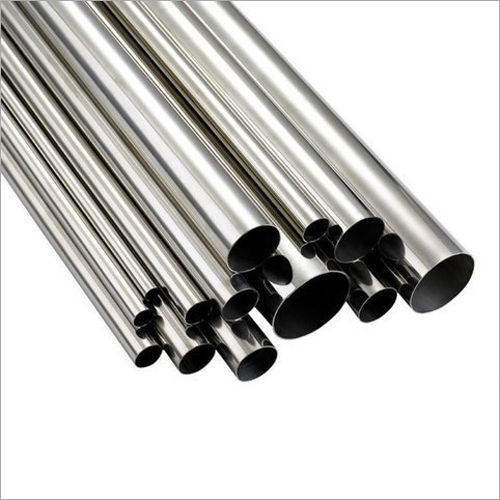
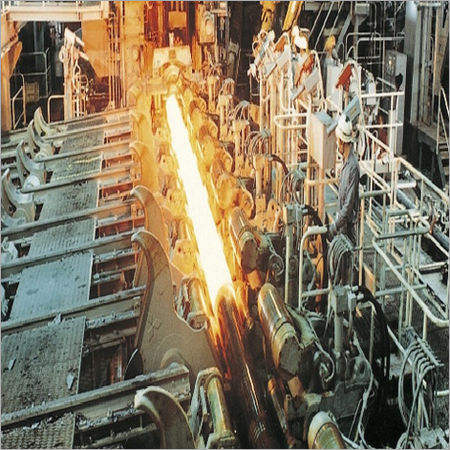
A steel tube is a hollow cylindrical or shaped section made from steel, designed to carry loads, fluids, gases, or provide structural support. Steel tubes are widely used in construction, manufacturing, transportation, energy, and engineering applications because of their strength, durability, and versatility. Key Characteristics Material: Made from carbon steel, alloy steel, stainless steel, or other specialized steel grades. Shape: Commonly round, square, rectangular, or oval. Manufacturing Methods: Seamless tubes: Produced without a welded seam, offering higher strength and pressure resistance. Welded tubes: Formed by rolling steel and welding the edges together; generally more economical. Common Applications Structural frameworks for buildings and bridges Pipelines for oil, gas, water, and chemicals Automotive and aerospace components Mechanical equipment and machinery Furniture and architectural elements Advantages High strength-to-weight ratio Resistance to impact and heavy loads Long service life Recyclable and environmentally friendly Available in a wide range of sizes and specifications






 Send Inquiry


 Send Inquiry
 Send Inquiry
 Send SMS


